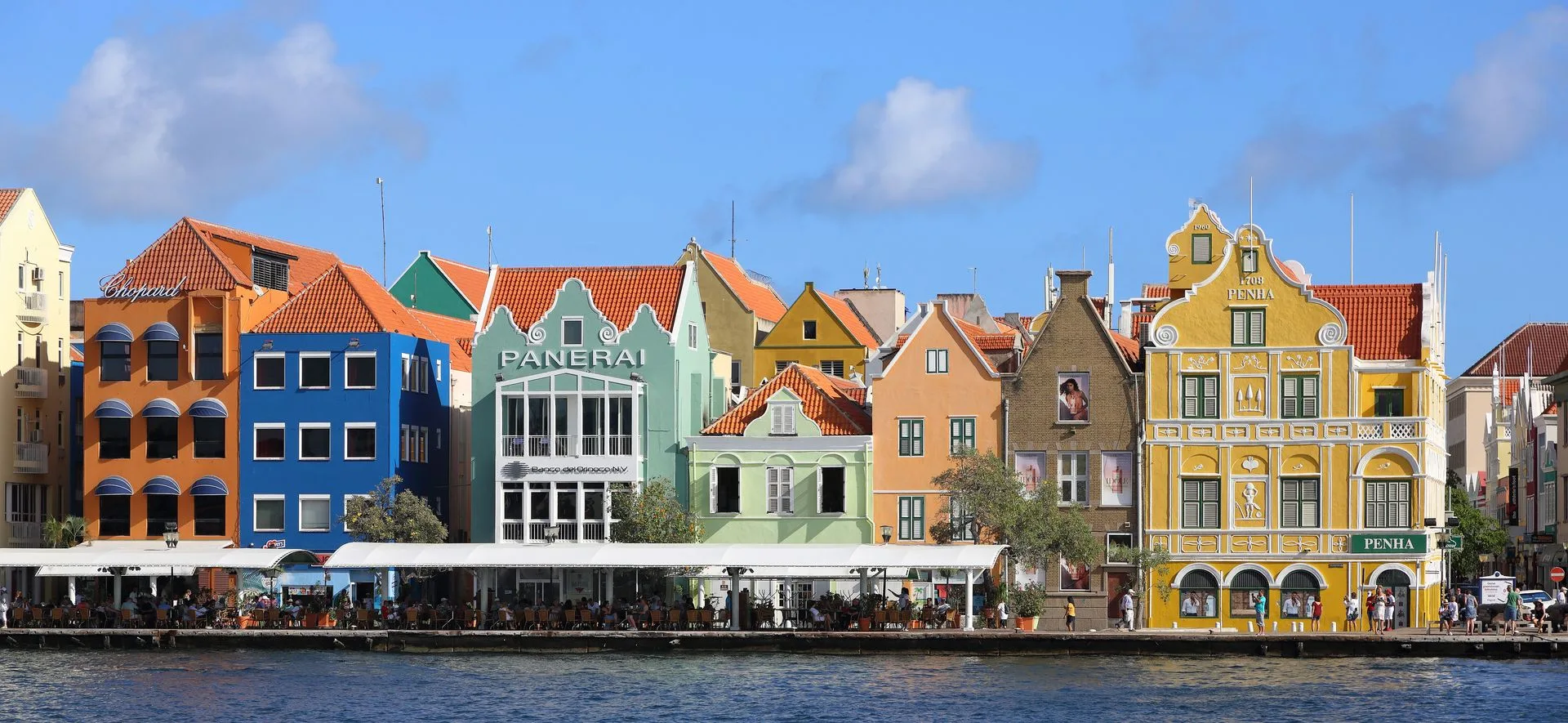
Walk along the Handelskade, step inside an old synagogue or visit a former plantation house: the history of Curaçao is never far away. A little background gives these places more meaning during your visit.
Before the colourful city
Long before the arrival of Europeans, Indigenous Caquetío people lived on Curaçao, with connections to the South American mainland. The Spanish arrived in 1499. In 1634, the Dutch West India Company took control of the island, beginning a new chapter around its natural harbour.
Willemstad: a city shaped by the sea
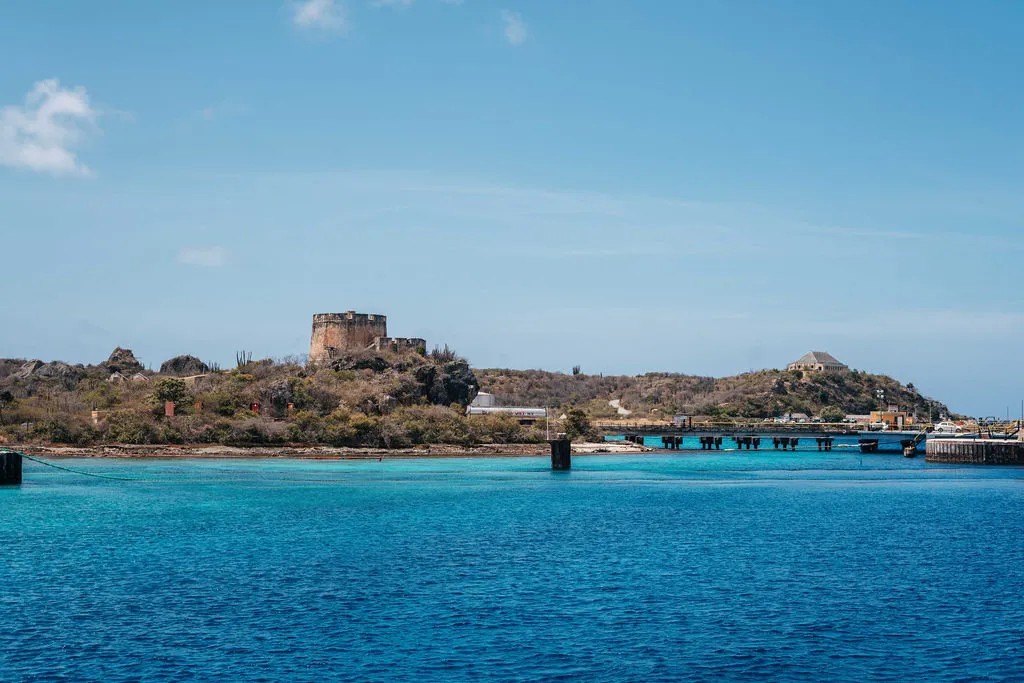
Trade and shipping helped Willemstad grow around Sint Anna Bay. Its buildings combine European influences with Caribbean materials, craftsmanship and adaptations to the climate. The historic city centre and harbour have been UNESCO World Heritage since 1997. Look beyond the Handelskade: the alleys and old merchant houses tell part of the story too.
Slavery, resistance and Tula
Curaçao became a centre of the transatlantic slave trade. In 1795, Tula led a major uprising that began at plantation Knip. Slavery was abolished on 1 July 1863. Museum Kura Hulanda offers important context on this history and African heritage.
A synagogue with centuries of history
The Mikvé Israel-Emanuel synagogue in Punda was consecrated in 1732 and is the oldest synagogue in continuous use in the Americas. Its sand-covered floor is a striking detail. Together with the Jewish museum, it introduces another part of the history of Curaçao.
Landhuizen: history beyond Willemstad
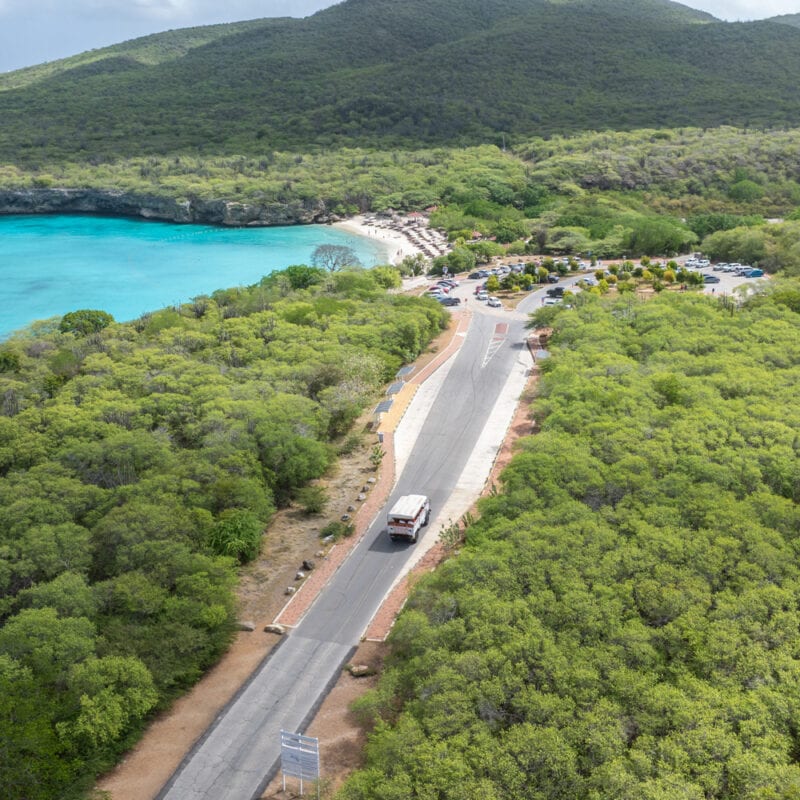
Across the island, landhuizen preserve traces of former plantations and the lives of the people who worked and lived there. Savonet Museum, in a former plantation house at Christoffelpark, explores this rural history. Check visitor access before stopping at other landhuizen: not every property is open to the public.