Currency on Dushi Guides

Euro prices are rounded. At checkout you'll see the exact amount, as payments are processed in USD.

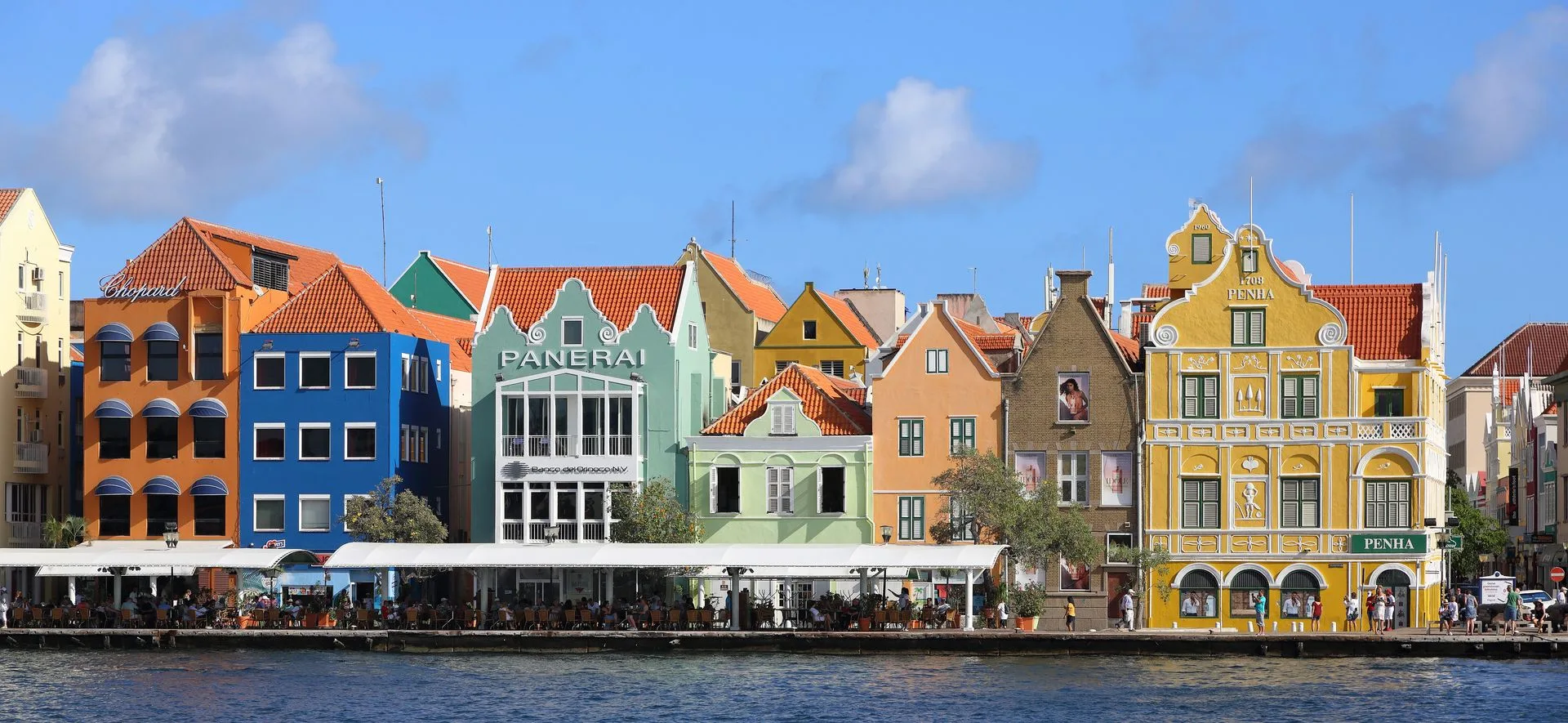
There is a story behind the colourful buildings, the music and the languages you hear on Curaçao. Explore the people, places and traditions that shape the island, with practical background for your own visit.

Make culture part of your day

Combine a walk through Willemstad with a museum, stop to look at local art or try a dish you have never tasted. Choose a topic above for the stories behind what you see and useful tips for exploring further.

FAQ

Where can I experience local culture on Curaçao?

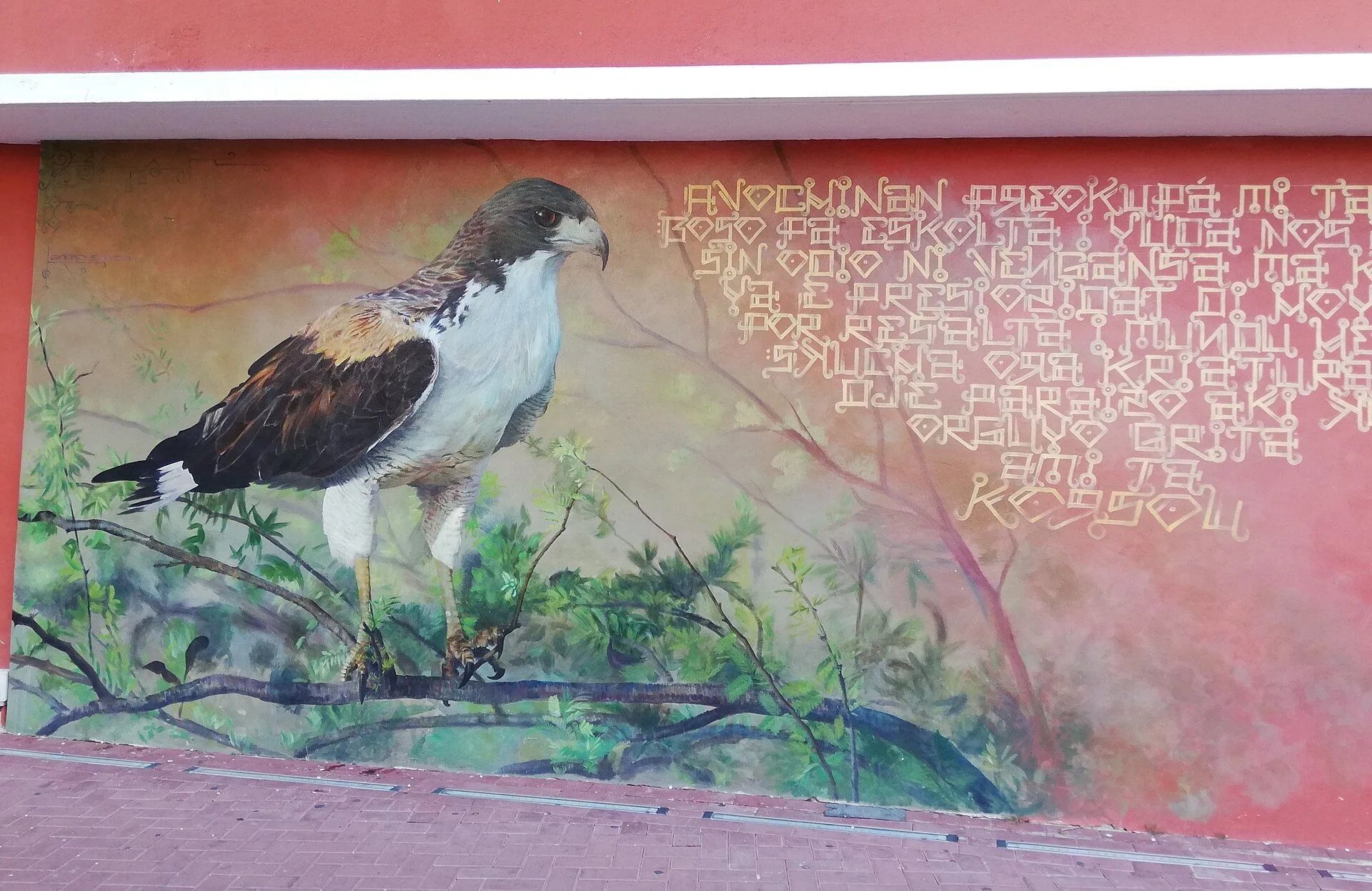
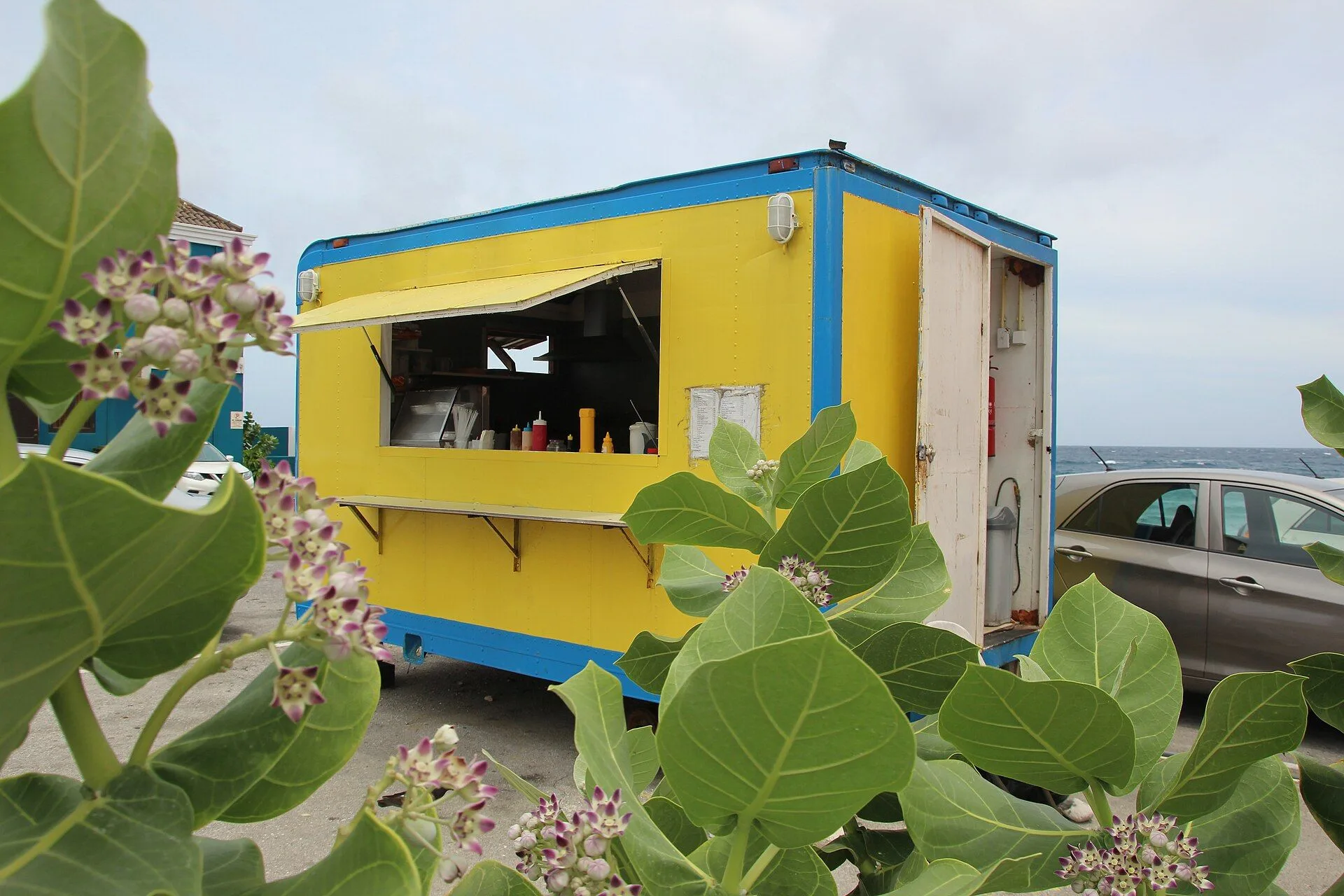
Start with a walk through Punda and Otrobanda for historic buildings, street art and small shops. Combine it with lunch at Plasa Bieu, where several kitchens serve local dishes. A local walking guide can explain the stories behind the buildings and murals.

Which museums should I visit to learn about the history of Curaçao?
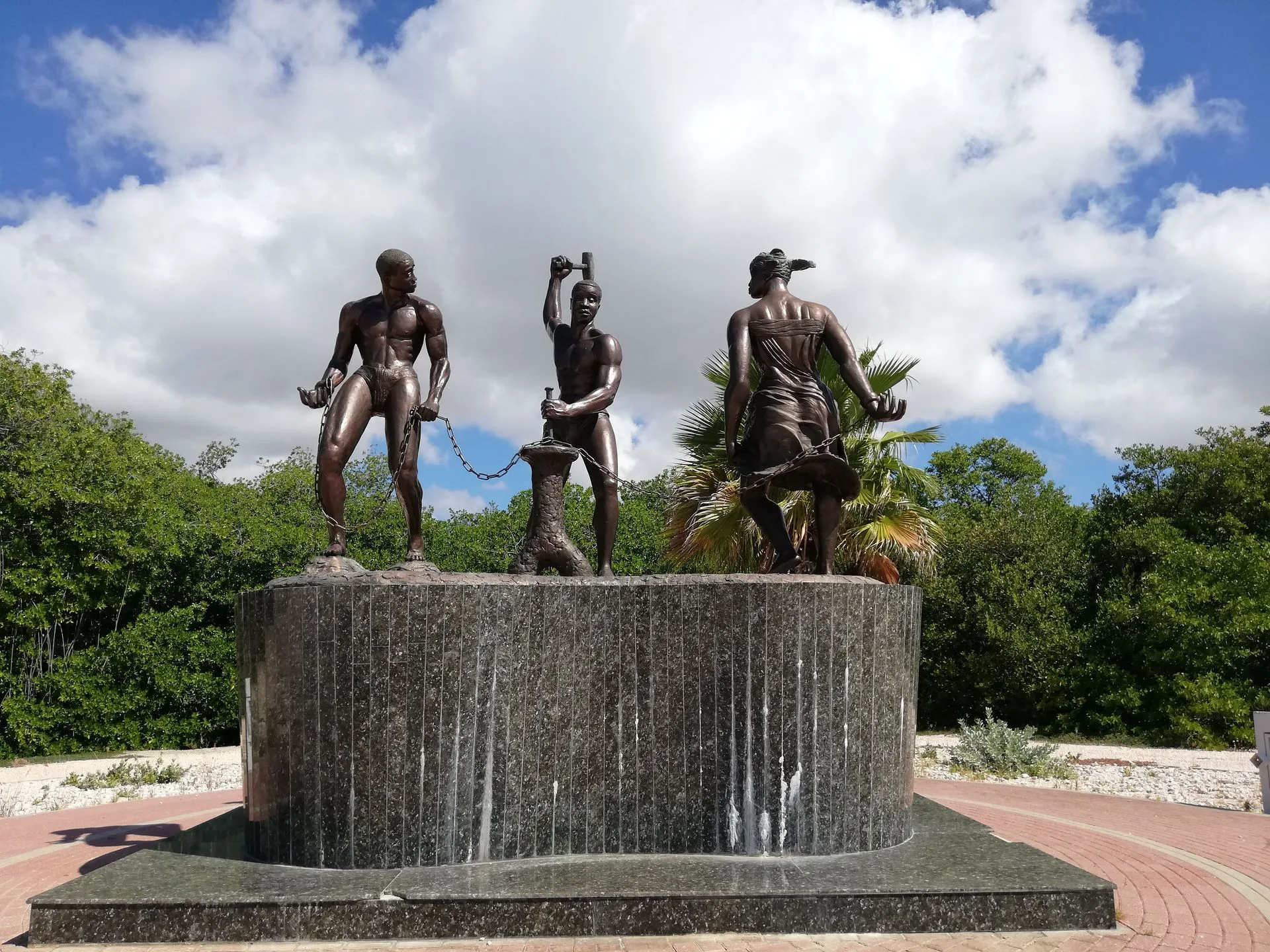
Visit Kurá Hulanda Museum in Otrobanda to learn about the transatlantic slave trade and African heritage. For the history of shipping, trade and the harbour, choose the Curaçao Maritime Museum. Check current opening hours before planning your visit.

What languages are spoken on Curaçao, and can I get by with English?

Papiamentu is the main language of daily life. Dutch, English and Spanish are also widely spoken. English is generally sufficient in hotels, restaurants and on tours. Knowing a few words of Papiamentu is a friendly way to start a conversation, but it is not necessary for your visit.

When can I see traditional festivals and parades on Curaçao?

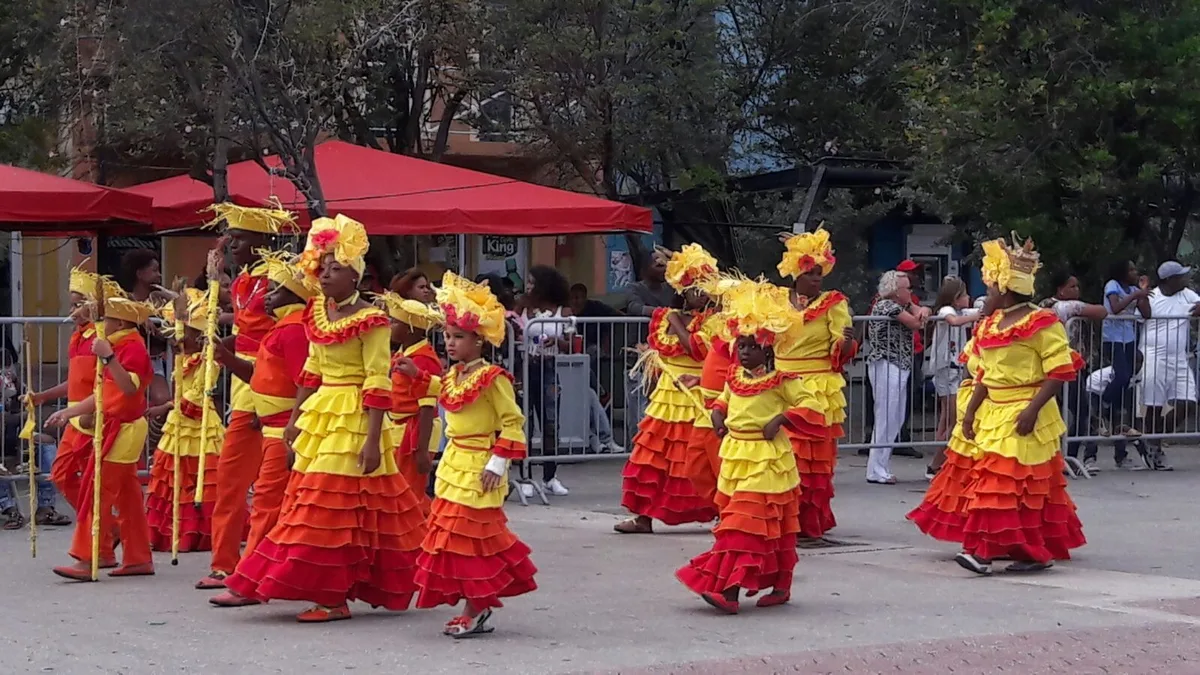
The main Carnival parades take place in February or March, depending on the year. The Seú harvest parade traditionally takes place on Easter Monday, with music, dancing and traditional dress. Check the programme for your travel year before choosing dates or planning your day.

Still have questions? Our local team usually replies within minutes on WhatsApp.