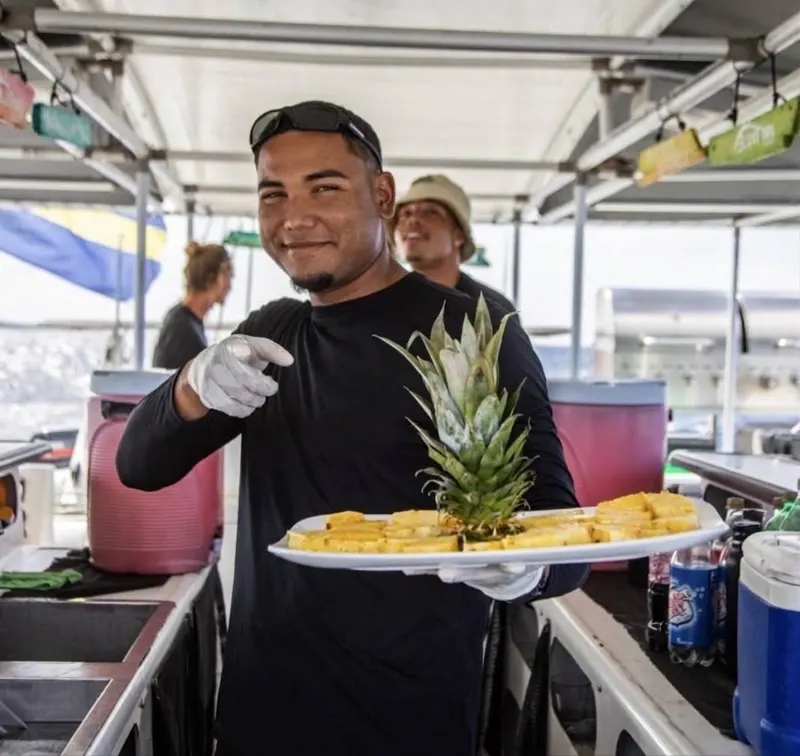
A greeting in Papiamentu, a conversation that switches between languages, a family recipe on the menu: everyday life tells you a lot about Curaçao. A little background helps you understand what you hear, connect with people and explore with more interest.
People: many roots, one island
Curaçao has a diverse population with deep Afro-Caribbean roots. Indigenous history, the colonial period, slavery and migration have all shaped the island. Connections with the Netherlands, Latin America and the wider Caribbean remain part of everyday life.
There is no single background or appearance that defines a Curaçaoan. Give yourself time for small conversations: ask about a dish, a neighbourhood or a local recommendation. Leave room for people to tell their own story.
Languages: what you will hear
Papiamentu is the main language of everyday life. It is an independent Creole language with its own grammar and spelling. Papiamentu, Dutch and English are official languages; Spanish is also widely spoken.
Visitors can generally get by in English, particularly in tourism. Dutch is also widely used, but language skills vary from person to person. Start with a greeting and ask which language works best. For a guided tour, check the language when booking.
Identity: distinctly Curaçaoan
Curaçao has been an autonomous country within the Kingdom of the Netherlands since 10 October 2010, with its own government. Its connection with the Netherlands is one part of a broader Caribbean identity.
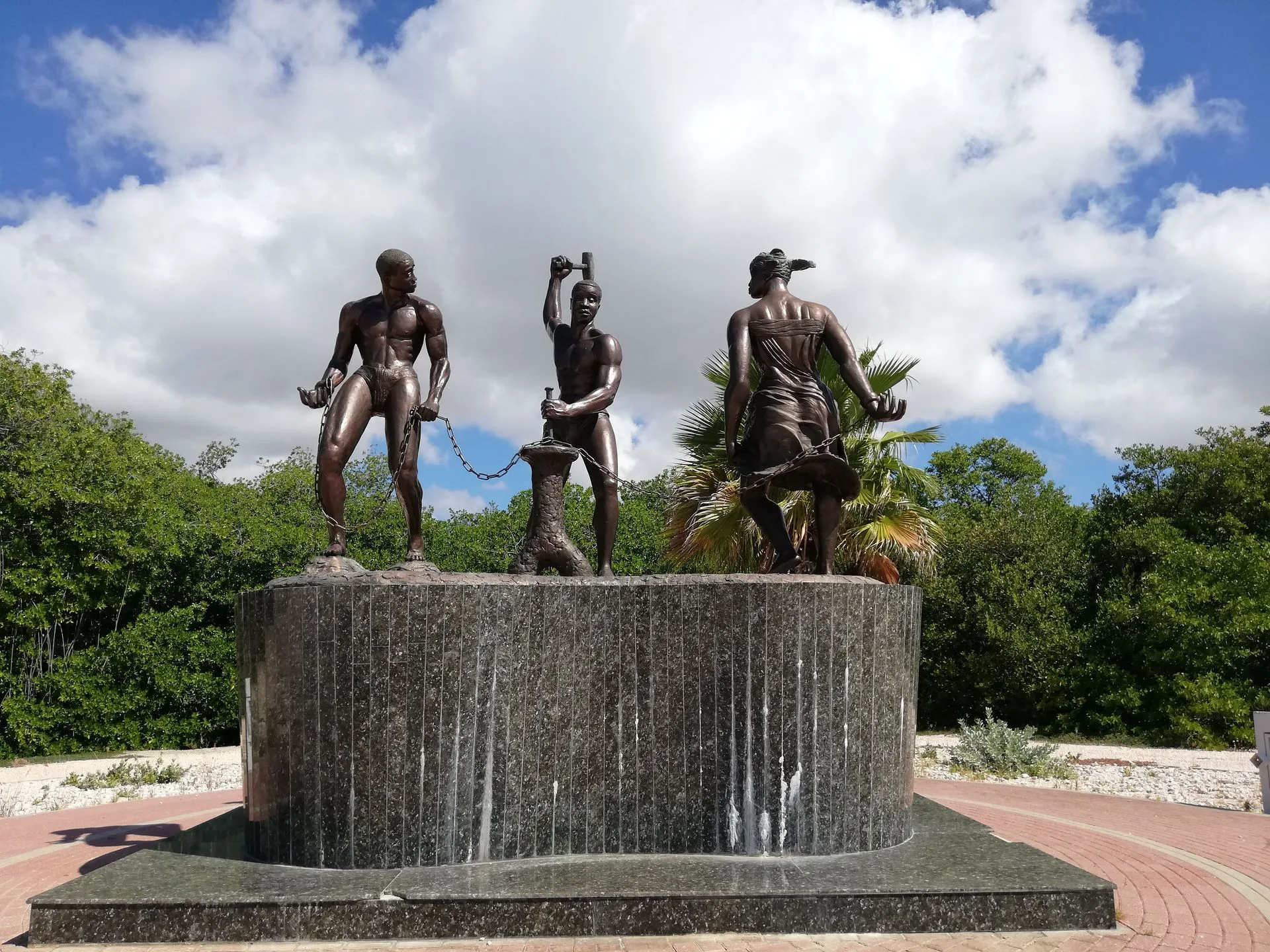
Papiamentu, music, food and family traditions all help express that identity. African heritage and the history of slavery are essential to understanding the island alongside its colourful architecture. Kòrsou is the name for Curaçao in Papiamentu.
A few words for your visit
- Bon dia: good morning.
- Bon tardi: good afternoon.
- Bon nochi: good evening or good night.
- Danki: thank you.
- Masha danki: thank you very much.
A simple greeting is a useful place to start when entering a shop, approaching a counter or asking a question.
Small gestures that matter
Greet people before making a request, ask permission before taking a close-up photograph and respect homes and private gardens when exploring neighbourhoods. Wear clothing over swimwear when heading into town or shops.
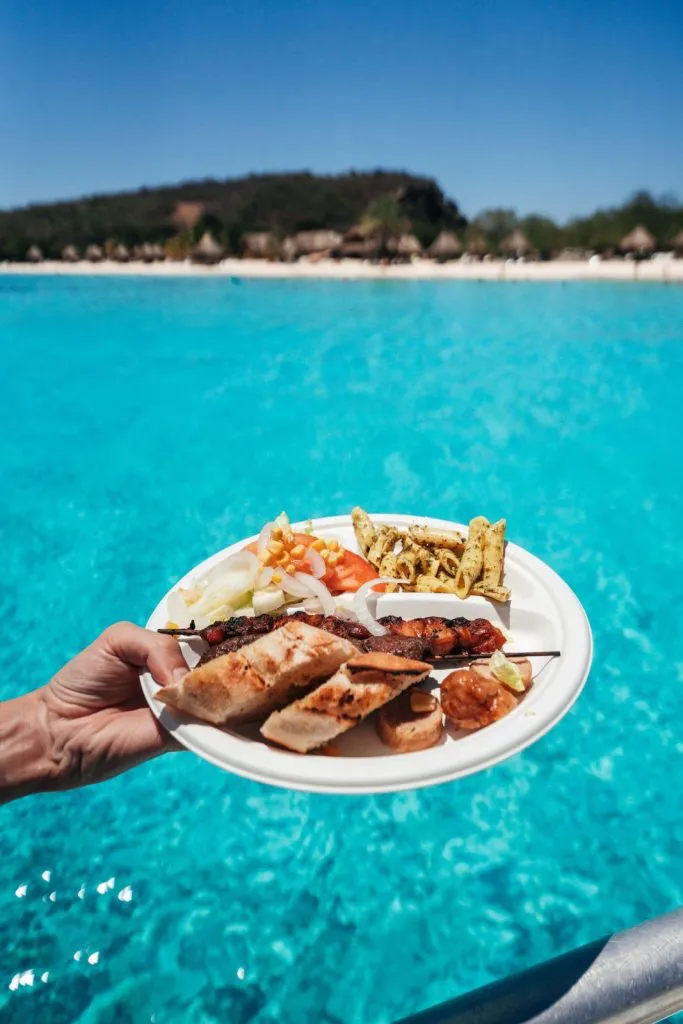
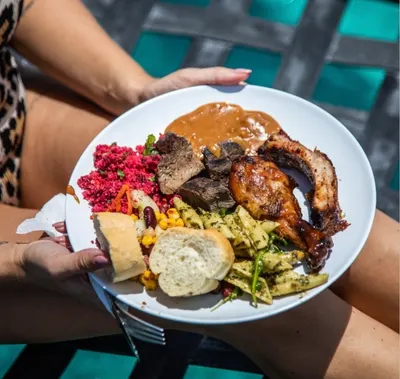
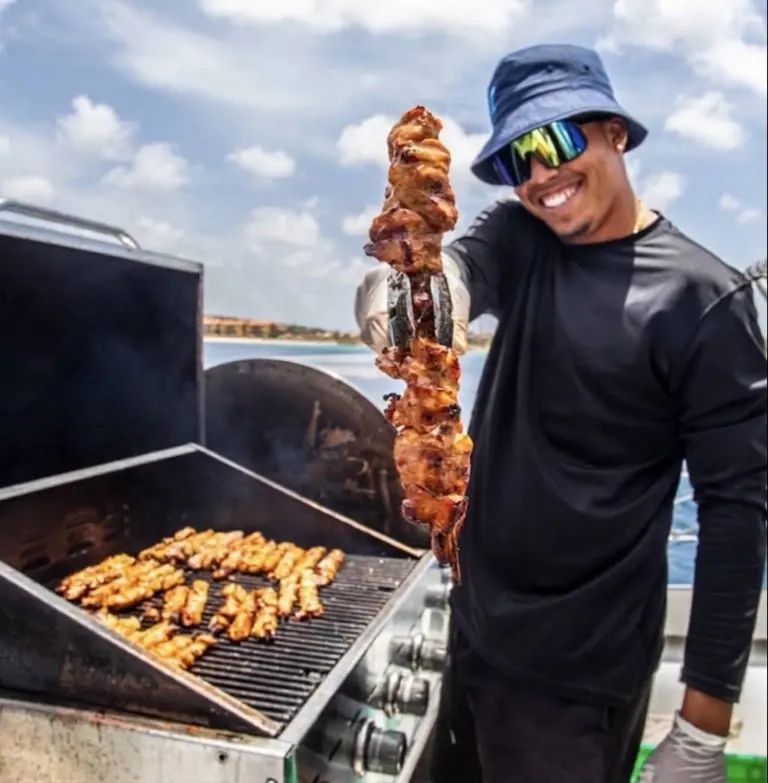
To give this background a place in your day, try a local lunch at Plasa Bieu or visit Museum Kura Hulanda for context on the transatlantic slave trade and African heritage. Make time to listen as well as look.