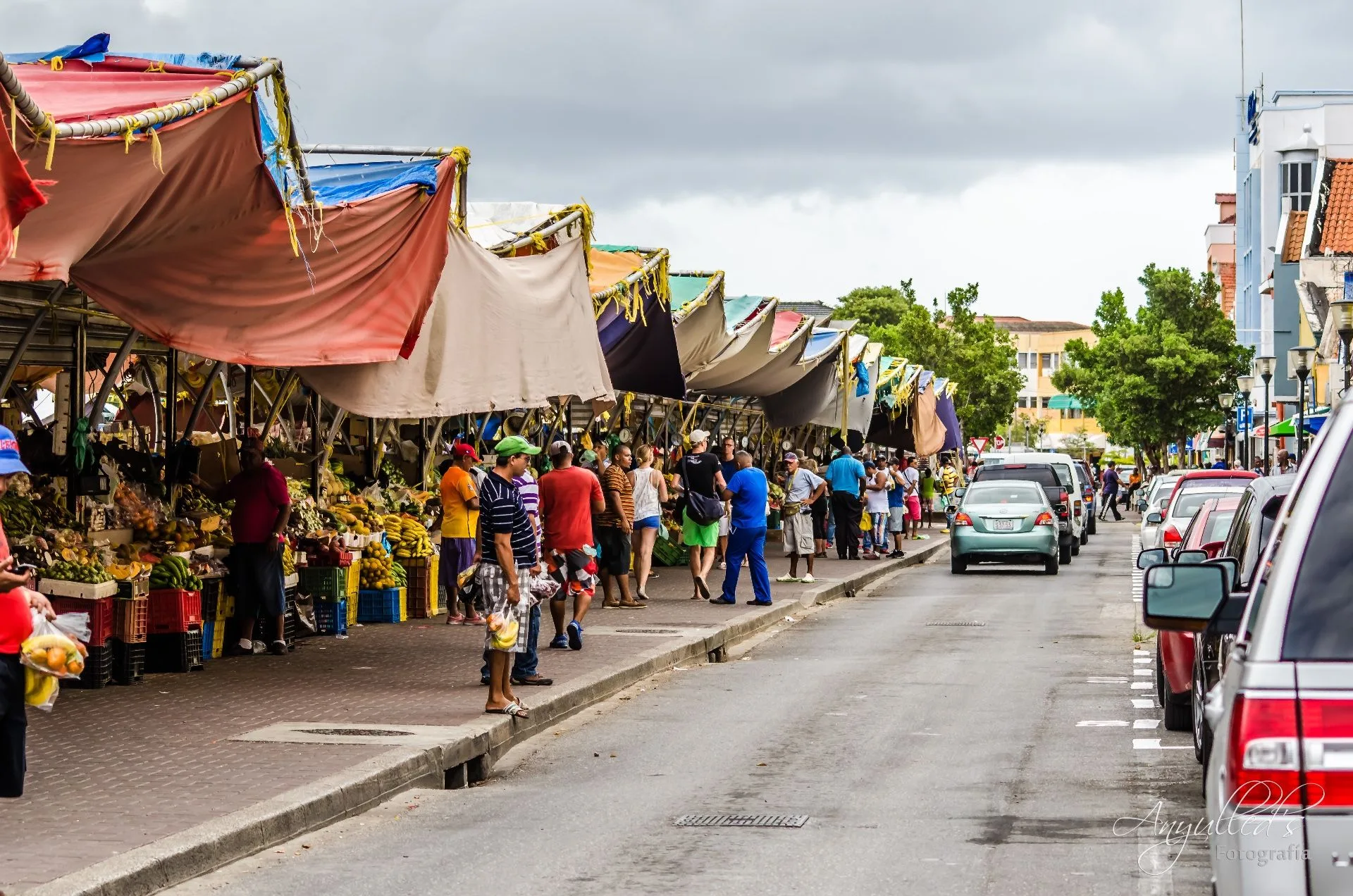
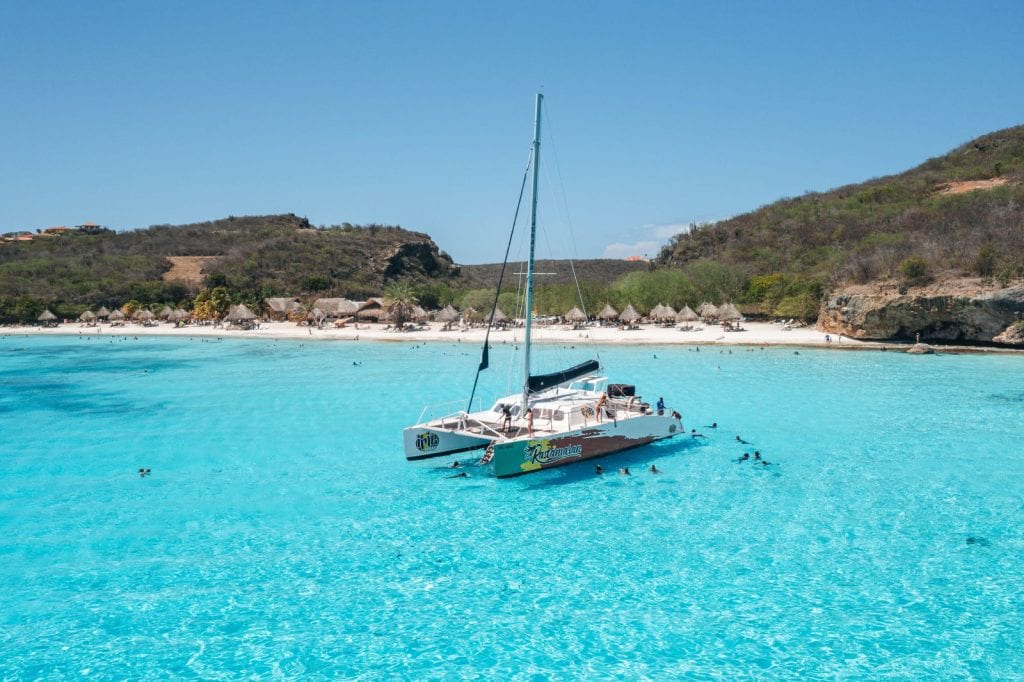
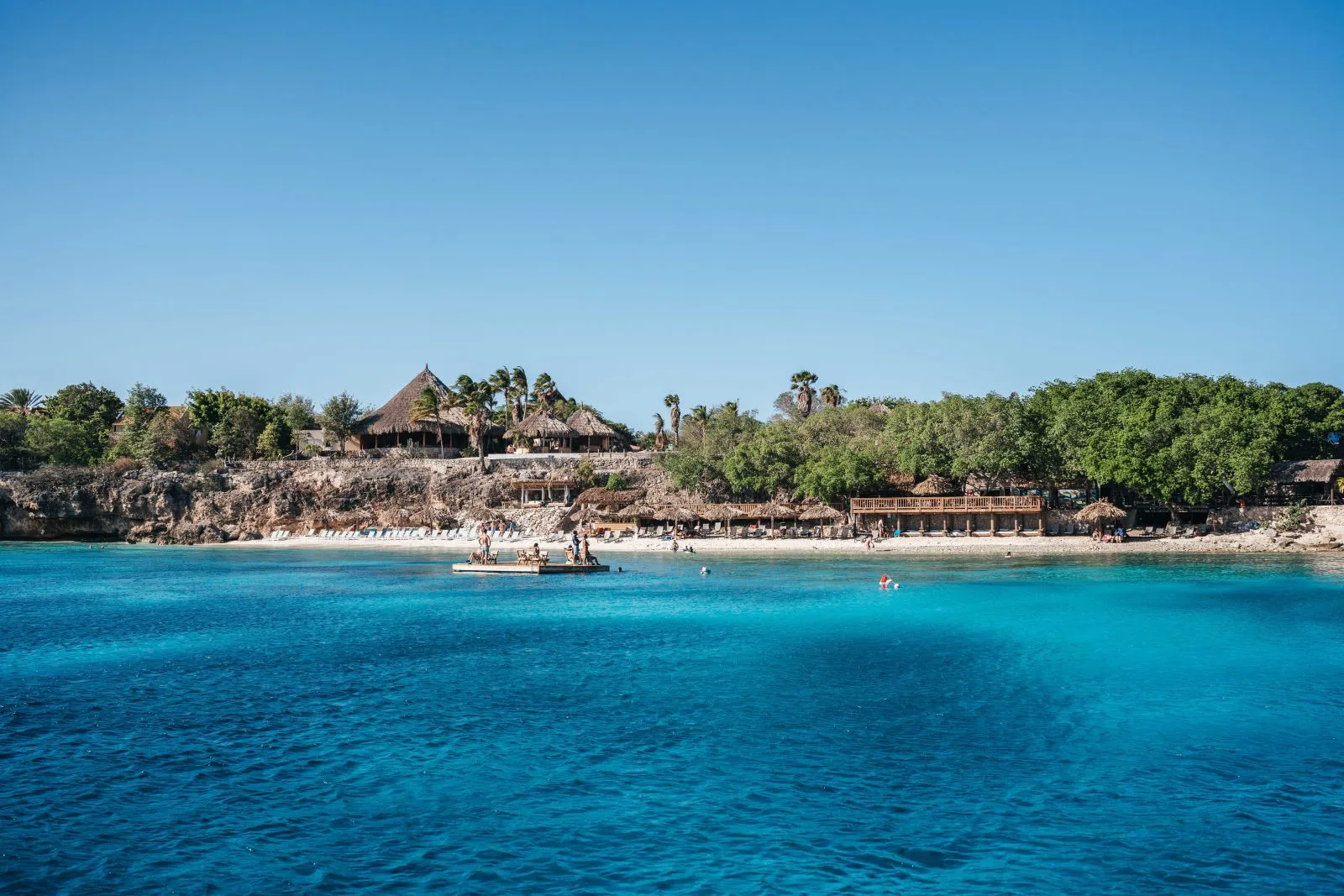
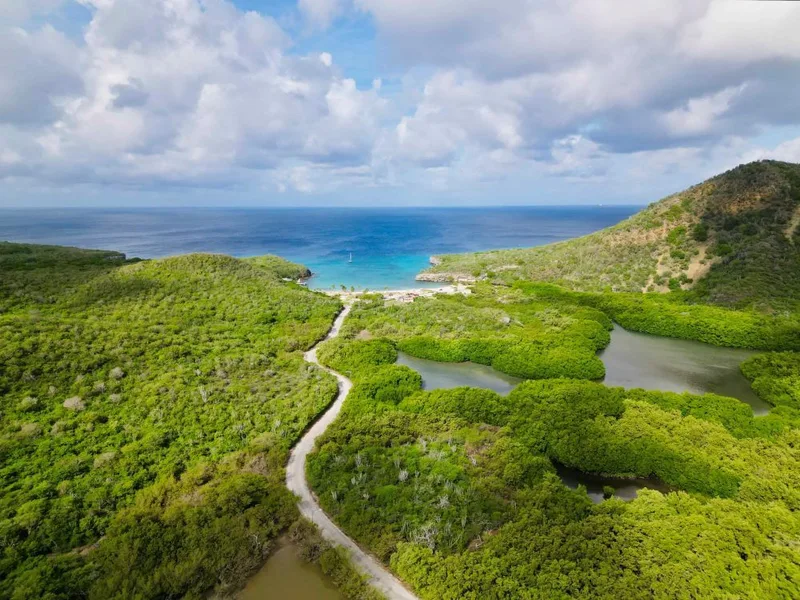
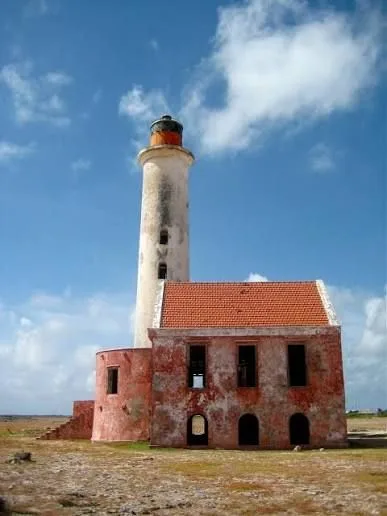
A rental car makes it easy to explore Curaçao at your own pace, from Willemstad to the beaches near Westpunt. You drive on the right, but some junctions and roundabouts deserve a closer look. Here are the traffic rules and practical tips to know before setting off.
Who has right of way in Curaçao?
Start with the traffic lights, signs and road markings. When these do not determine priority, the type of junction matters:
- At a T-junction, traffic on the continuing road has priority. If your road ends, give way to traffic from both directions, even if you approach from the right.
- At an otherwise equal crossroads, drivers of motor vehicles give way to motor vehicles approaching from the right.
- When joining a paved road from an unpaved road, give way to traffic on the paved road.
For example, if you leave a side road that ends at a T-junction, the car approaching from your left on the continuing road goes first. Slow down early and check that other drivers are yielding before you proceed.
Roundabouts: check each approach
Do not assume every roundabout has the same priority rules. Yield signs and white triangular markings on the road, known locally as haaientanden, tell you to give way. Where these mark the entrance, yield to traffic on the roundabout. If no signs or markings determine priority, the rule for traffic from the right applies; that can mean traffic entering has priority.
Choose your lane before entering, follow the arrows and signal before leaving. Check your mirrors and blind spot when changing lanes. Worn markings or an uncertain driver are good reasons to slow down, not to squeeze through.
Speed limits are in km/h
For cars, the general limits are 40 km/h in built-up areas and 60 km/h outside them. On roads designated as autowegen, the limit is 80 km/h. Follow the posted signs; a wide road is not automatically an 80 km/h road. For visitors used to miles, 40, 60 and 80 km/h are roughly 25, 37 and 50 mph.
Keep below the limit when visibility, rain or the road surface requires it. Leave extra time for a tour check-in or an airport journey rather than trying to make it up on the road.
Seatbelts, children and your phone
Wear your seatbelt and have every passenger buckle up, including in the back. Arrange a suitable child seat or booster with the rental company before arrival, giving the age and height of each child. Check the fit and installation at pickup.
Do not use a handheld phone while driving. Set your navigation before leaving and stop somewhere safe to change your route. If you will be driving, skip the alcohol. Red means stop: do not turn right on red as you might in parts of the United States.
Rain, potholes and driving after dark
Roads can become very slippery after rain. Ease off the accelerator, increase your following distance and brake gently. Avoid driving through standing water when you cannot judge its depth or see the road beneath it.
Watch for potholes, speed bumps and animals, especially on quieter roads. After dark, pedestrians and unlit road edges are harder to see. For your first day exploring the west, returning before dark can make the drive more comfortable.
Also check both sides before changing lanes: on divided roads with several lanes in each direction, passing on the right is permitted. Leave space for other drivers and avoid sudden lane changes.
Filling up: usually pay first
At many petrol stations, park beside a pump, note its number and pay at the counter before filling up. Tell the cashier which pump and how much fuel you want. Check the correct fuel with your rental company and ask the attendant how payment works if you want a full tank.
Carry a payment backup and check card acceptance before filling up. Top up before a long trip towards Westpunt rather than waiting for the fuel warning light. There are fewer stations away from Willemstad.
Parking in Willemstad and at the beach
Check the signs or payment terminal when parking in central Willemstad; parts of Punda and Otrobanda have paid parking. Enter the correct rental car plate number and follow the local payment instructions. Where available, Flowbird lets you pay by phone.
A continuous yellow line means no stopping; a broken yellow line means no parking. Keep driveways and pedestrian crossings clear. At a beach, check whether parking is included in admission or charged separately. Lock the car and take valuables with you, even during a quick photo stop.
What to do after an accident
Put personal safety first. For urgent police or fire assistance, call 911; for an ambulance, call 912. Report vehicle damage promptly to your rental company and follow its instructions.
Contact ForenSys for accident registration on 9233. Its website also lists 0800-1199. Normally, leave the vehicles in place until the incident has been recorded or you receive instructions. If there is immediate danger, tell the emergency operator and follow their guidance. Take photographs and note the location and other vehicle details only when safe.
For a breakdown without a collision, use the assistance number supplied with your rental. Save it in your phone when collecting the car.
Before your first drive
Check the tyres, lights and existing damage with the rental company, and photograph the vehicle. Ask about the excess, authorised drivers, fuel policy and any restrictions on unpaved roads. Download an offline map and check the route before you leave.
Still arranging transport? See our car rental options in Curaçao. Once you have your route, browse our Curaçao beach guide and choose a few stops close together. Leaving time for a swim or lunch makes for a better day than rushing across the island.