


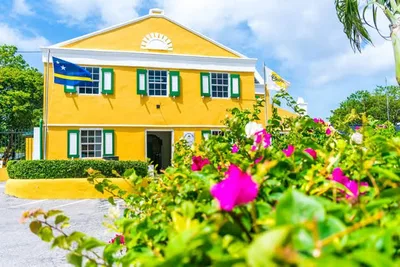
Museums, forts and historic landhuizen in Curaçao
Curaçao has a fascinating history that reaches far beyond its colourful streets. Museums, forts and historic landhuizen tell stories about maritime trade, slavery, local communities, art and the island's former plantations. In Willemstad, you can explore Museum Kura Hulanda, the Maritime Museum and historic fortifications. Elsewhere, places such as Landhuis Bloemhof, Landhuis Chobolobo and Savonet Museum offer different perspectives. Not every historic building is open to visitors, so use our overview to discover what interests you and plan your visit.
1 / 4
Explore museums, forts and landhuizen
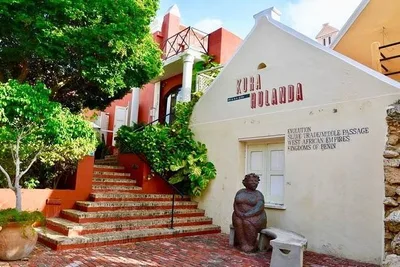
Kura Hulanda Museum
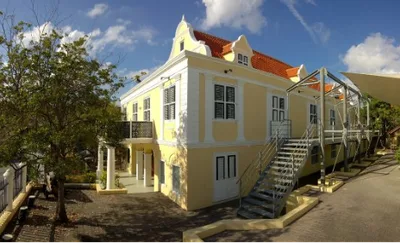
Curaçao Maritime Museum
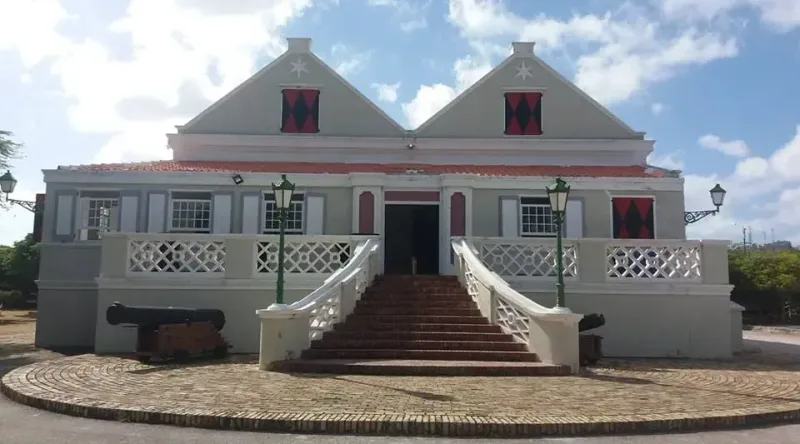
Curaçao Museum
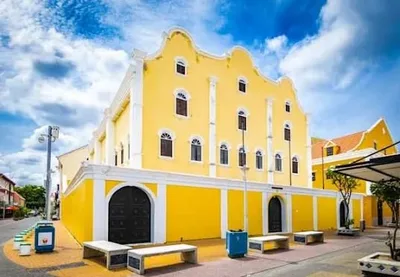
Mikvé Israel-Emanuel Synagogue & Jewish Museum
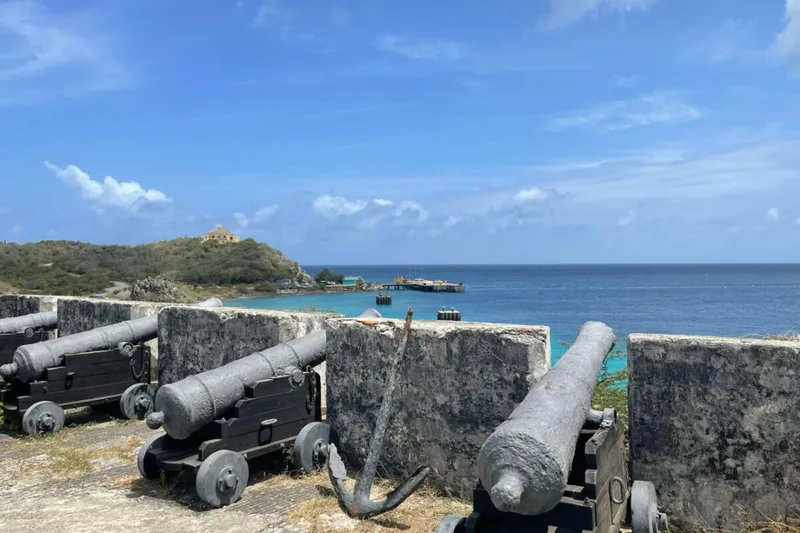
Fort Beekenburg
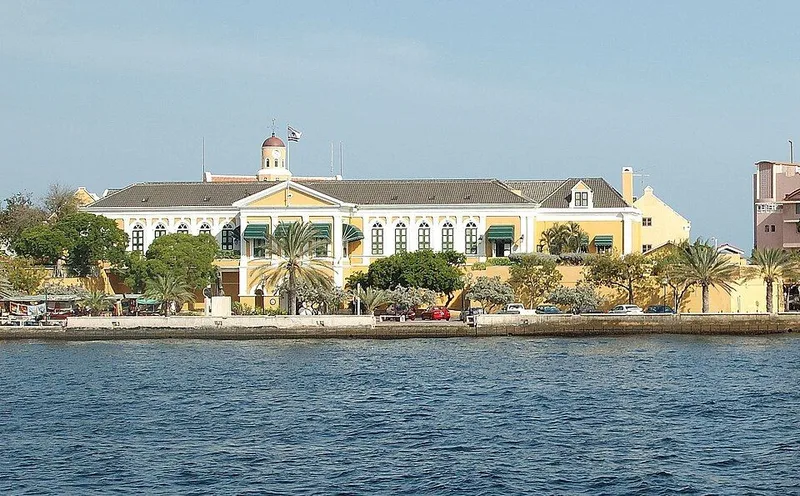
Fort Amsterdam
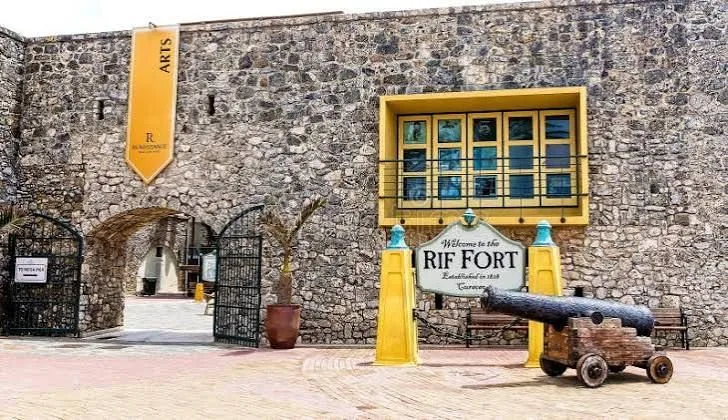
Rif Fort
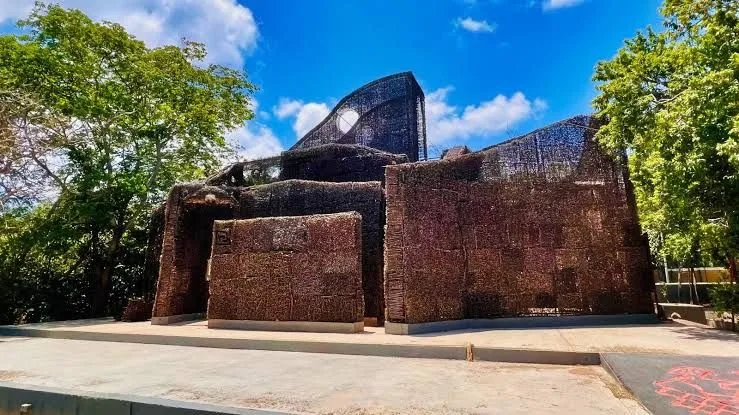
Landhuis Bloemhof
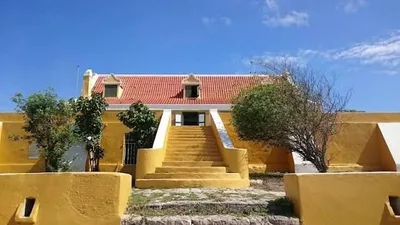
Savonet Museum
Nothing in this group.
Compare historical and cultural sites
| Feature | | | | | | | | | | |
|---|---|---|---|---|---|---|---|---|---|---|
| Parking | N/A | N/A | ✕ | Free | N/A | N/A | ✕ | Free | N/A | Free |
| Restroom | N/A | N/A | ✓ | ✓ | N/A | N/A | ✕ | ✓ | N/A | ✓ |
| Wheelchair accessible | N/A | N/A | N/A | N/A | N/A | N/A | Partly | ✓ | N/A | ✓ |
| Air-conditioned indoor areas | N/A | N/A | ✓ | N/A | N/A | N/A | ✕ | Partly | N/A | N/A |
| Gift shop | N/A | N/A | N/A | N/A | N/A | N/A | ✕ | ✓ | N/A | N/A |
| Café / refreshments | N/A | N/A | N/A | N/A | N/A | N/A | ✕ | ✓ | N/A | ✕ |
| Site type | Landhouse, Historic building | Museum, Historic building | Museum | Museum | Religious site, Historic building, Museum | Fort, Historic building | Fort, Historic building | Fort, Historic building | Landhouse, Art space | Museum, Landhouse |
| Admission | N/A | N/A | Paid | Paid | Paid | N/A | Free | Free | N/A | Paid |
| Typical visit duration | N/A | N/A | 1_2 | 1_2 | 30_60 | N/A | under_30 | under_30 | N/A | 1_2 |
| Guided tours available | N/A | N/A | ✓ | N/A | N/A | N/A | ✕ | N/A | N/A | N/A |
| Self-guided visit | N/A | ✓ | ✓ | ✓ | ✓ | ✓ | ✓ | ✓ | N/A | ✓ |
| Indoor / outdoor | Indoor, Outdoor | Indoor | Indoor | Indoor | Indoor | Outdoor | Outdoor | Outdoor | Indoor, Outdoor | Indoor |
| Interactive exhibits | N/A | N/A | ✕ | ✕ | N/A | N/A | ✕ | ✕ | N/A | ✕ |
| Historic building | ✓ | ✓ | ✓ | ✓ | ✓ | ✓ | ✓ | ✓ | ✓ | ✓ |
| Suitable for children | N/A | N/A | ✓ | ✓ | N/A | N/A | ✓ | ✓ | N/A | ✓ |
| Open | Open | Open | Open | Open | Open | Open | Open | Open | Open |
Which site?
Travellers interested in history and society
Explore Museum Kura Hulanda and the Jewish Museum to understand different chapters of Curaçao's history and the communities that shaped the island.
Visitors interested in maritime history and architecture
Discover the Maritime Museum and historic fortifications such as Fort Amsterdam, Rif Fort and Fort Beekenburg.
Art lovers and cultural explorers
Landhuis Bloemhof combines a historic setting with contemporary art, exhibitions and cultural heritage.
Which museums should you visit to learn about Curaçao?
Curaçao's museums cover very different parts of the island's history, so your interests are a good starting point.
Museum Kura Hulanda in Otrobanda focuses on the transatlantic trade in enslaved Africans and its lasting impact on Curaçao and the Caribbean. It is an important place to understand a difficult but essential part of the island's history.
The Maritime Museum explores Curaçao's relationship with the sea, its natural harbour and centuries of shipping and trade. The Curaçao Museum brings together local history, cultural objects and art.
In Punda, the Jewish Museum and Mikvé Israel-Emanuel Synagogue introduce visitors to the long history of Curaçao's Jewish community.
These museums offer different experiences. Rather than trying to visit everything, choose the subjects that interest you most and check the available visiting information.
What makes Curaçao's historic forts worth visiting?
Curaçao's forts are reminders of the island's strategic position in Caribbean maritime trade. They were built to defend important coastal locations and the harbour of Willemstad.
Fort Amsterdam is one of the landmarks of historic Punda and remains part of a government complex. Rif Fort, on the Otrobanda side of the harbour, has been adapted for modern use and now forms part of an area with shops and restaurants.
Fort Beekenburg near Caracas Bay offers a different setting, with historic stone fortifications overlooking the coast.
A historic fort is not necessarily a museum. Some are primarily outdoor landmarks, while others have an administrative or commercial function. Check which parts are accessible before planning your visit.
What are landhuizen, and which ones can you visit?
Landhuizen are historic country houses associated with Curaçao's former estates and plantations. Their history is closely connected to agriculture, colonial society and the lives of enslaved people who worked on these properties.
Today, different landhuizen have very different purposes. Landhuis Bloemhof is a cultural centre where art, heritage and nature come together. Landhuis Chobolobo houses the Curaçao Liqueur Distillery, where visitors can discover the history and production of the island's famous liqueur.
In Christoffelpark, Savonet Museum is located on a former plantation estate. It explores the history of the plantation, its inhabitants and the surrounding environment.
Not every landhuis is a public attraction. Some have been converted to private homes, restaurants or other businesses. Check whether visits are possible before travelling there.
How should you plan a museum or heritage visit?
Start by checking the location, opening hours and admission arrangements. Some museums have regular visiting hours, while historic buildings, forts and landhuizen may have different access conditions. Guided tours can also require advance arrangements.
If you plan to explore several sites, group locations that are close together. Willemstad is a practical area for combining museums and historic neighbourhoods. Savonet Museum, on the other hand, is in the west of the island and is easier to include when exploring that region.
For outdoor historical sites, consider the heat, available shade and walking conditions. Older buildings may have stairs or uneven surfaces, so check accessibility if necessary.
Would you also like to explore Curaçao beyond its museums? Dushi Guides offers tours and activities around the island. Guests who book with us can always contact our team for free personal help, tips and advice about the rest of their holiday.
Questions
Can you visit the inside of every historic fort in Curaçao?
No. Historic forts have different functions and access conditions. Some are outdoor landmarks, while others form part of government or commercial complexes. Check which areas are open to visitors before going.
Are all landhuizen in Curaçao open to tourists?
No. Some landhuizen operate as museums or cultural attractions, while others are private properties, restaurants or businesses. Landhuis Bloemhof, Landhuis Chobolobo and Savonet are examples of historic estates with visitor attractions.
Do museums and historic sites in Curaçao charge admission?
Admission conditions vary. Some museums charge an entrance fee, while other historic locations may be accessible without a museum ticket. Guided visits and additional activities can have separate charges. Check the current details before visiting.
Can you visit several museums in one day?
Yes, especially when choosing sites in and around Willemstad. Allow enough time for the exhibitions and check opening hours before deciding on your route. Sites farther west, such as Savonet Museum, are better planned with their location and travel time in mind.